
2026年水电系统与能源工程学术会议(HSEE 2026)
在拉萨圆满落幕
The 2026 Conference on Hydropower Systems and Energy Engineering (HSEE 2026) Concluded Successfully in Lhasa
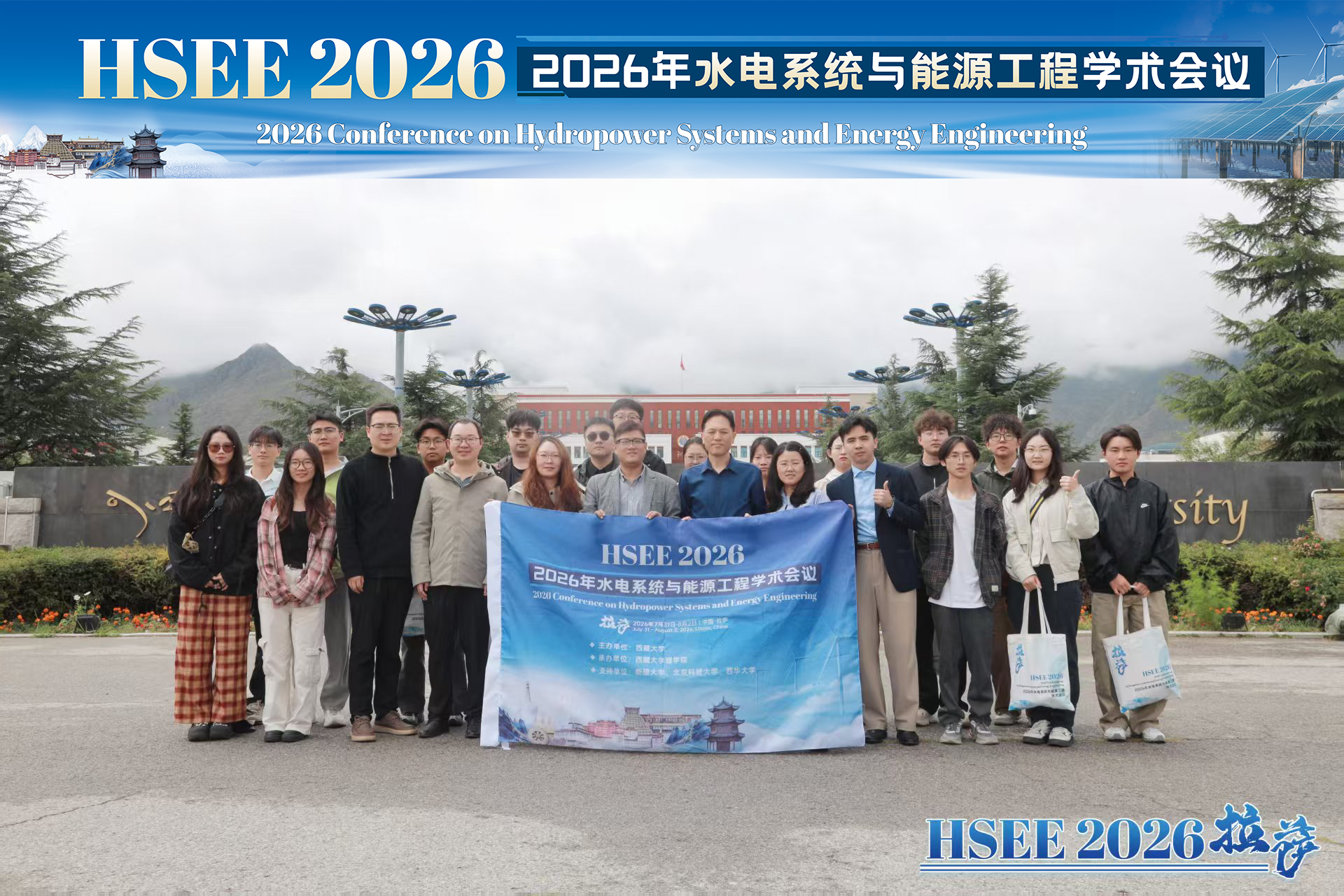
2026年8月1日,2026年水电系统与能源工程学术会议(HSEE 2026)在雪域高原圣城拉萨圆满落幕。本次会议由西藏大学主办,西藏大学理学院承办,新疆大学、北京科技大学、西华大学支持。在全球能源结构转型与"双碳"目标引领下,来自武汉理工大学、新疆大学、深圳职业技术大学、华中科技大学、安徽理工大学、西华大学等高校和科研院所的专家学者齐聚"世界屋脊",围绕水电系统优化与能源工程创新展开深度交流。
On August 1, 2026, the 2026 Conference on Hydropower Systems and Energy Engineering (HSEE 2026) was successfully concluded in Lhasa, the sacred city on the snowy plateau. The conference was hosted by Tibet University, organized by the College of Science of Tibet University, and supported by Xinjiang University, University of Science and Technology Beijing, and Xihua University. Under the global energy structure transition and the pursuit of the "dual‑carbon" goals, experts and scholars from universities and research institutions including Wuhan University of Technology, Xinjiang University, Shenzhen Polytechnic University, Huazhong University of Science and Technology, Anhui University of Science and Technology, and Xihua University gathered on the "Roof of the World" to engage in in‑depth exchanges on hydropower system optimization and energy engineering innovation.
开幕式:雪域高原,共启盛会
Opening Ceremony: A Grand Gathering on the Snowy Plateau
8月1日上午,会议在西藏大学纳金校区教学楼14栋二楼学术报告厅正式开幕。开幕式由西藏大学理学院副院长、西藏自治区高原制供氧与人居环境重点实验室主任王世锋教授主持。王世锋教授代表承办单位西藏大学理学院向与会专家学者表示热烈欢迎,并简要介绍了西藏大学及理学院的学科特色与科研优势。他指出,拉萨不仅是藏文化的圣地,更是我国重要的清洁能源基地,雅鲁藏布江奔腾不息的水能资源为水电科学研究提供了得天独厚的天然实验室。本次会议聚焦水电系统优化与能源工程创新,旨在搭建高水平学术交流平台,推动多能互补与低碳能源技术的深度融合。
On the morning of August 1, the conference officially opened at the Academic Lecture Hall, 2nd Floor, Building 14, Najin Campus, Tibet University. The opening ceremony was chaired by Professor Wang Shifeng, Associate Dean of the College of Science of Tibet University and Director of the Tibet Autonomous Region Key Laboratory of Plateau Oxygen Supply and Human Settlement Environment. On behalf of the organizer, the College of Science, Professor Wang extended a warm welcome to the participating experts and scholars, and briefly introduced the disciplinary strengths and research advantages of Tibet University and its College of Science. He noted that Lhasa is not only a sacred site of Tibetan culture but also a major clean‑energy base in China, where the ever‑flowing hydropower resources of the Yarlung Tsangpo River provide a unique natural laboratory for hydropower research. This conference, focusing on hydropower system optimization and energy engineering innovation, aims to establish a high‑level academic exchange platform and promote the deep integration of multi‑energy complementarity and low‑carbon energy technologies.
主旨报告:聚焦前沿,思想激荡
Keynote Speeches: Cutting‑Edge Focus and Intellectual Exchange
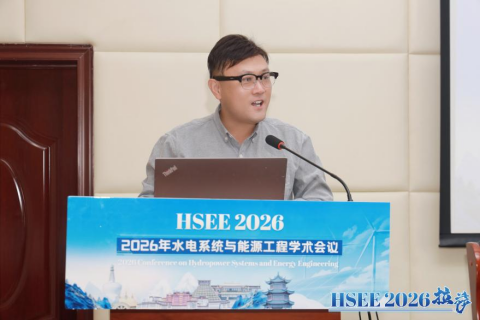
开幕式后,大会主旨报告环节正式展开。三场高水平主旨报告依次进行,每场报告结束后设有提问交流环节。
Following the opening ceremony, the keynote session commenced. Three high‑level keynote presentations were delivered sequentially, each followed by a Q&A session.
第一位主旨报告嘉宾:李能 教授(武汉理工大学)
First Keynote Speaker: Professor Li Neng (Wuhan University of Technology)
李能,武汉理工大学教授、博士生导师,英国皇家化学会会士、国际先进材料学会会士,连续五年入选科睿唯安全球高被引科学家。在Nature、Angew. Chem.、Adv. Mater.等期刊发表SCI论文350余篇,论文引用超25000次,个人学术因子86。李能教授以线上形式作题为《绿氢电化学制备用高效催化剂创制》的报告,系统介绍了绿氢电化学制备领域高效催化剂的设计与创制策略,为清洁能源领域的催化剂研发提供了新思路。
Professor Li Neng is a Professor and Doctoral Supervisor at Wuhan University of Technology, a Fellow of the Royal Society of Chemistry and a Fellow of the International Association of Advanced Materials, and has been consecutively listed as a Clarivate Highly Cited Researcher for five years. He has published over 350 SCI papers in journals includingNature,Angew. Chem., andAdv. Mater., with more than 25,000 citations and an h‑index of 86. Professor Li delivered an online presentation entitled "Creation of Efficient Catalysts for Electrochemical Green Hydrogen Production," systematically introducing the design and fabrication strategies for high‑performance catalysts in the electrochemical production of green hydrogen, offering new perspectives for catalyst development in the clean‑energy field.

第二位主旨报告嘉宾:卢浩 教授(新疆大学)
Second Keynote Speaker: Professor Lu Hao (Xinjiang University)
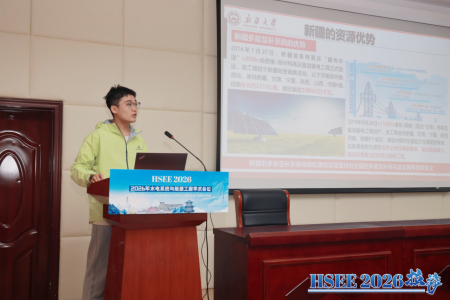
卢浩,新疆大学教授、博士生导师,国家级人才、新疆杰出青年科学基金获得者,入选斯坦福全球前2%高被引科学家,现任学院学术副院长、西北能源碳中和教育部工程研究中心副主任。卢浩教授因公务原因无法亲临现场,特别委托韩尊师博士代为报告,题目为《计及电‑氢‑碳协同的多能互补综合能源系统优化运行研究》,阐述了电‑氢‑碳协同框架下多能互补综合能源系统的优化运行策略,为低碳能源系统的高效运行提供了理论支撑。
Professor Lu Hao is a Professor and Doctoral Supervisor at Xinjiang University, a recipient of national talent awards and the Xinjiang Outstanding Youth Science Foundation, and has been included in the Stanford Top 2% Highly Cited Scientists list. He currently serves as Associate Dean (Academic) of the college and Deputy Director of the Northwest Energy Carbon Neutrality Engineering Research Center of the Ministry of Education. Unable to attend in person due to official commitments, Professor Lu entrusted Dr. Han Zunshi to present his report entitled "Optimal Operation of Multi‑energy Complementary Integrated Energy Systems Considering Electricity‑Hydrogen‑Carbon Synergy," which elaborated on optimization strategies for integrated energy systems under the framework of electricity‑hydrogen‑carbon coordination, providing theoretical support for the efficient operation of low‑carbon energy systems.
第三位主旨报告嘉宾:汪远昊 教授(深圳职业技术大学)
Third Keynote Speaker: Professor Wang Yuanhao (Shenzhen Polytechnic University)
汪远昊,北京科技大学教授,国家级人才、国务院特殊津贴专家,深圳市“孔雀计划”团队带头人,发表SCI论文190余篇,h因子46,专利转化效益超8000万元。汪远昊教授因重要公务无法到场,委托沈陶博士代为报告,题目为《金属有机框架/氧化石墨烯复合材料的构筑及其储能性能研究》,介绍了金属有机框架与氧化石墨烯复合材料的构筑方法及其在储能领域的应用前景。
Professor Wang Yuanhao is a Professor at University of Science and Technology Beijing, a national talent and expert receiving the State Council Special Allowance, and the lead principal investigator of the Shenzhen “Peacock Plan” team. He has published over 190 SCI papers with an h‑index of 46, and the commercial benefits from his patented technologies exceed RMB 80 million. Unable to attend due to important official duties, Professor Wang entrusted Dr. Shen Tao to deliver his report entitled “Construction of Metal‑Organic Framework/Graphene Oxide Composites and Their Energy Storage Performance,” which presented the fabrication methods of MOF/GO composites and their potential applications in energy storage.
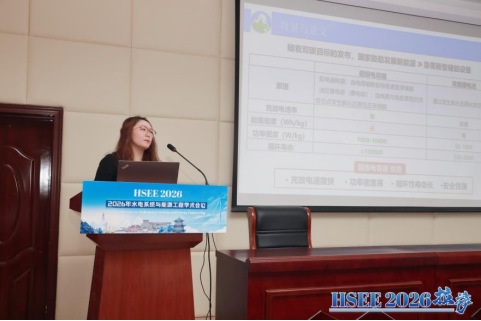
三场主旨报告内容翔实、观点前沿,引发了现场热烈的讨论与交流,充分展现了水电系统与能源工程领域的最新研究成果与发展方向。
The three keynote presentations, rich in content and cutting‑edge in perspective, sparked vigorous discussions and exchanges among the audience, fully demonstrating the latest research achievements and developmental directions in the field of hydropower systems and energy engineering.
口头报告:青年力量,蓬勃涌现
Oral Presentations: Emerging Vigor of Young Scholars
主旨报告结束后,口头报告环节在上午继续进行。来自深圳霍夫曼先进材料研究院、安徽理工大学、新疆大学、华中科技大学、西华大学等高校和科研院所的八位青年学者依次登台,每人进行10分钟报告,内容涵盖超级电容器储能、减污降碳协同增长、电‑氢‑氨耦合系统优化、风光功率预测、多能互补系统调度、混流式水轮机内部流场与动力特性等前沿方向。
Following the keynote session, the oral presentation session continued in the morning. Eight young scholars from institutions including the Hoffmann Institute of Advanced Materials (Shenzhen), Anhui University of Science and Technology, Xinjiang University, Huazhong University of Science and Technology, and Xihua University presented successively, each with a 10‑minute talk. The topics covered cutting‑edge areas such as supercapacitor energy storage, synergistic reduction of pollution and carbon emissions, optimization of electricity‑hydrogen‑ammonia coupled systems, wind and solar power forecasting, scheduling of multi‑energy complementary systems, and internal flow field and dynamic characteristics of Francis turbines.
八位青年学者的报告内容翔实、视角新颖,充分展现了水电系统与能源工程领域青年科研工作者的学术活力与创新潜力。
The presentations by these eight young scholars were informative and novel in perspective, fully demonstrating the academic vitality and innovative potential of early‑career researchers in the field of hydropower systems and energy engineering.


在全球能源结构转型与"双碳"目标加速推进的背景下,水电作为清洁可再生能源的核心组成部分,其与能源工程技术的深度融合显得尤为关键。本次会议的成功举办,为国内外学者搭建了深度交流的高端平台,有力促进了水电系统与能源工程领域的跨学科合作。雅鲁藏布江奔腾不息的水能资源,为水电科学研究提供了得天独厚的天然实验室。西藏大学理学院将继续依托高原区位优势与学科特色,携手各界同仁,持续打造高水平学术品牌,为推动我国水电能源事业和绿色低碳发展贡献智慧与力量。
Against the backdrop of accelerating global energy restructuring and the "dual‑carbon" goals, hydropower, as a core component of clean and renewable energy, demands increasingly deep integration with energy engineering technologies. The successful convening of this conference has provided a high‑end platform for in‑depth exchanges among domestic and international scholars, effectively fostering interdisciplinary collaboration in the fields of hydropower systems and energy engineering. The ever‑flowing hydropower resources of the Yarlung Tsangpo River offer a unique natural laboratory for hydropower research. The College of Science of Tibet University will continue to leverage its plateau geographical advantages and disciplinary strengths, collaborating with partners from all sectors to continuously build high‑level academic brands and contribute wisdom and efforts to advancing China's hydropower energy sector and promoting green and low‑carbon development.
雪域高原,学术盛宴,圆满收官。2026年水电系统与能源工程学术会议(HSEE 2026)在热烈的学术氛围中落下帷幕。学术之路,道阻且长,行则将至;行而不辍,未来可期。期待明年再相聚!
The snowy plateau witnessed a splendid academic feast, now brought to a perfect close. The 2026 Academic Conference on Hydropower Systems and Energy Engineering (HSEE 2026) concluded in a vibrant academic atmosphere. The path of scholarship is long and arduous, yet perseverance brings progress; with sustained effort, a bright future lies ahead. We look forward to reuniting again next year!